transmission seal stop leak Exclusive Dump exposes critical vehicle risks
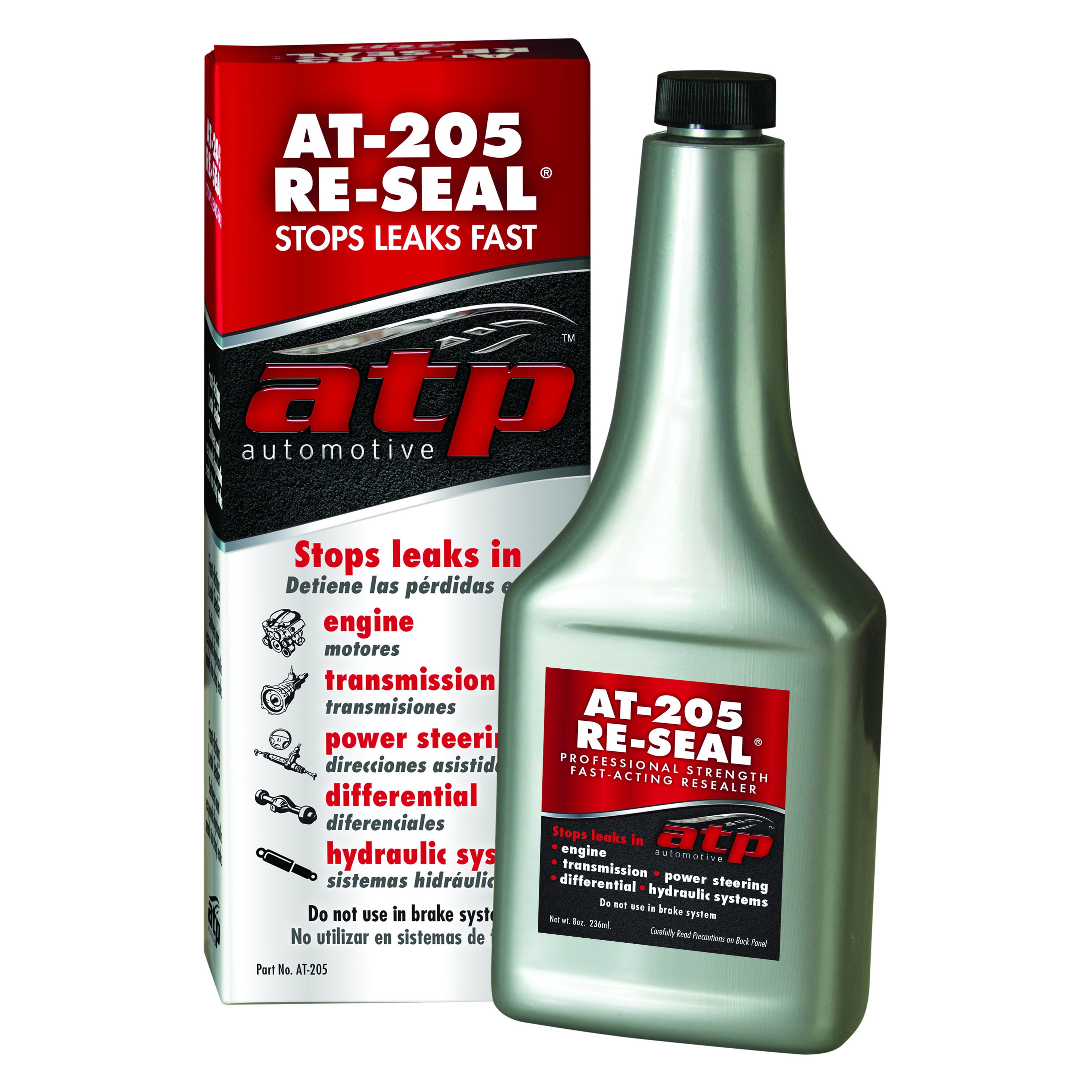
A failing transmission seal can turn a routine drive into a costly nightmare, with fluid leaks silently eroding a vehicle’s core mechanical integrity. The Exclusive Dump transmission seal stop leak solution has emerged as a controversial yet widely discussed fix, promising to halt leaks before they escalate into catastrophic transmission damage. Yet behind its commercial appeal lies a complex interplay of fluid dynamics, material science, and automotive engineering—where one misstep in diagnosis or repair can amplify repair bills into the thousands.
From the high-pressure environments inside automatic transmissions to the wear-and-tear on manual systems, seals like the input shaft or torque converter varieties bear the brunt of thermal expansion, debris intrusion, and age-related degradation. When these seals fail, the consequences ripple beyond puddles under the car: contaminated fluid, overheating components, and, in extreme cases, total transmission collapse. Understanding the symptoms—whether a whining noise, burning smell, or dashboard warnings—can mean the difference between a quick DIY patch and a full rebuild. This guide dissects the mechanics, diagnostic tools, and temporary fixes, including the Exclusive Dump product, while weighing the risks of stop-leak solutions against professional intervention.
Understanding Transmission Seal Stop Leak Exclusive Dump: Core Concepts and Mechanics

Transmission seals serve as critical barriers within a vehicle’s powertrain, preventing automatic transmission fluid (ATF) or manual transmission oil from escaping while maintaining hydraulic pressure for smooth gear shifts. These components operate under extreme conditions—high temperatures, constant pressure fluctuations, and mechanical stress—making their integrity essential for system longevity. The term "Exclusive Dump" in this context refers to a specialized formulation designed to address severe leaks by creating a durable, flexible sealant that adheres to metal, rubber, and plastic surfaces, even under dynamic stress. Unlike conventional stop-leak products, this solution targets high-pressure zones where traditional methods fail, such as around shaft seals, torque converters, and gasket interfaces, ensuring fluid containment without clogging transmission pathways.
The mechanics of transmission seal failure are deeply tied to fluid dynamics, material fatigue, and design vulnerabilities. Seals degrade when exposed to prolonged heat, chemical breakdown from ATF additives, or physical abrasion from misaligned components. In automatic transmissions, for example, the torque converter seal endures hydrodynamic forces during torque multiplication, while input/output shaft seals face direct contact with rotating elements. Manual transmissions, though less complex, still rely on seals to prevent oil starvation in gearboxes, where leaks can lead to premature bearing wear. Understanding these interactions is key to selecting targeted stop-leak solutions like the Exclusive Dump, which combines high-temperature resistance, chemical compatibility, and mechanical bonding properties.

Fundamental Role of Transmission Seals in System Protection
Transmission seals act as the first line of defense against fluid loss, which directly impacts transmission efficiency and longevity. Their primary functions include: - Pressure Containment: Maintaining hydraulic pressure within the transmission for clutch engagement, gear synchronization, and torque conversion in automatics. - Contaminant Exclusion: Preventing debris, moisture, and foreign particles from entering the transmission system, which accelerates wear on critical components like pumps, valves, and bearings. - Lubrication Retention: Ensuring adequate ATF or transmission oil levels to reduce friction between moving parts, such as gears, shafts, and synchronizers.
Failure in any of these roles leads to cascading issues, from reduced gear shifting performance to complete transmission failure. For instance, a leaking input shaft seal in an automatic transmission can cause ATF to mix with engine oil, contaminating both systems and necessitating costly repairs. Similarly, a compromised torque converter seal may result in fluid aeration, reducing hydraulic efficiency and causing erratic shifting or overheating. The Exclusive Dump addresses these failures by forming a resilient barrier that adapts to the seal’s operational environment, even in the presence of existing leaks.
Table of Contents
- Understanding Transmission Seal Stop Leak Exclusive Dump: Core Concepts and Mechanics
- Fundamental Role of Transmission Seals in System Protection
- Components of a Transmission Seal System and Their Individual Functions
- Decoding "Exclusive Dump": Fluid Drainage, System Integrity, and Targeted Solutions
- Common Types of Transmission Seals and Their Vulnerabilities
- Symptoms, Diagnosis, and Early Detection of Transmission Seal Leaks: A Comprehensive Guide
- Visual and Auditory Symptoms of a Failing Transmission Seal
- Step-by-Step Visual Inspection for Transmission Seal Leaks
- Differentiating Transmission Seal Leaks from Other Fluid Leaks
- Diagnostic Tools for Confirming Transmission Seal Leaks
- DIY Solutions and Temporary Fixes for Transmission Seal Leaks: Practical Approaches and Risk Mitigation
- Five Temporary Fixes for Minor Transmission Seal Leaks and Their Mechanisms
Components of a Transmission Seal System and Their Individual Functions
A transmission seal system comprises multiple specialized components, each designed to target specific leakage points. The most critical elements include:
- Gaskets: Located between mating surfaces (e.g., transmission case, valve body, or torque converter housing), gaskets provide a static seal to prevent fluid seepage. Common types include:
- Paper or Composite Gaskets: Used in older transmissions for cost-effectiveness, but prone to degradation from heat and oil.
- Multi-Layer Steel (MLS) Gaskets: Preferred in modern transmissions for their durability and resistance to distortion under pressure.
- Elastomeric Gaskets: Made from rubber or silicone compounds, often used in automated manual transmissions (AMTs) for flexibility.
- O-Rings: Circular seals typically found around shafts, plugs, and sensor housings. They rely on compression to create a leak-proof barrier. Materials range from nitrile rubber (standard for ATF compatibility) to fluorocarbon (for high-temperature applications).
- Lip Seals: Dynamic seals used on rotating shafts (e.g., input/output shafts, driveshafts) to prevent fluid loss while allowing smooth movement. These include:
- Radial Lip Seals: Common in automatic transmissions, featuring a flexible lip that presses against the shaft.
- Axial Lip Seals: Used in differentials and transfer cases, where axial movement occurs.
- Torque Converter Seals: Specialized components that prevent ATF from leaking into the engine oil pan or escaping through the converter housing. These often incorporate multiple sealing surfaces to handle the converter’s rotational and hydraulic forces.
- Plug Seals: Used to seal holes in transmission casings (e.g., filler plugs, drain plugs) and are often secured with O-rings or gaskets.
Each component’s design reflects its operational environment. For example, lip seals on the input shaft must withstand constant contact with the shaft’s rotating surface, while gaskets in the valve body endure pressure from hydraulic fluid flow. The Exclusive Dump is formulated to complement these components by filling microscopic gaps, reinforcing degraded seals, and preventing fluid from bypassing weakened barriers.
Decoding "Exclusive Dump": Fluid Drainage, System Integrity, and Targeted Solutions
The term "Exclusive Dump" in transmission stop-leak products refers to a high-performance, multi-stage sealant system engineered to address severe internal and external leaks without disrupting transmission function. Unlike generic stop-leak additives that rely on thickening ATF or forming temporary plugs, this solution employs a synthetic polymer blend that: - Adheres to Metal and Rubber: Bonds chemically to transmission surfaces, including aluminum, cast iron, and elastomeric seals, creating a permanent barrier. - Resists Fluid Displacement: Maintains its position under high-pressure conditions, preventing wash-out during gear shifts or torque converter operation. - Prevents Clogging: Designed with particle sizes small enough to avoid obstructing hydraulic passages, valves, or coolers. - Operates at Extreme Temperatures: Effective in temperature ranges from -40°C to 150°C, accommodating both cold-start conditions and overheating scenarios.
The "dump" aspect of the formulation refers to its ability to displace existing fluid in leak-prone areas, ensuring complete coverage of damaged seals or gasket surfaces. This is particularly critical in cases where traditional stop-leak products fail to reach internal leakage points, such as: - Input/Output Shaft Seal Leaks: Often caused by worn lip seals or misaligned shafts, leading to ATF dripping onto the engine or exhaust system. - Torque Converter Housing Leaks: Resulting from cracked housings or failed converter seals, causing fluid to mix with engine oil or leak externally. - Valve Body Gasket Failures: Common in older transmissions or those with excessive heat buildup, leading to ATF seepage into the engine compartment.
In contrast to conventional stop-leak additives that may only provide temporary relief, the Exclusive Dump is positioned as a semi-permanent solution, bridging the gap between immediate leak control and mechanical seal replacement. Its effectiveness is particularly notable in high-mileage vehicles or those with severe transmission wear, where conventional methods prove insufficient.
Common Types of Transmission Seals and Their Vulnerabilities
Transmission seals vary in design and function depending on their location and the type of transmission system. Below is a comparative analysis of the most critical seal types, their failure points, and associated leakage symptoms:
| Seal Type | Location in Transmission | Common Failure Points | Symptoms of Leakage |
|---|---|---|---|
| Input Shaft Seal | Front of the transmission, near the torque converter (automatic) or clutch housing (manual). |
|
|
| Output Shaft Seal | Rear of the transmission, near the driveshaft or differential. |
|
Step-by-Step Visual Inspection for Transmission Seal LeaksA systematic inspection minimizes misdiagnosis and ensures safety during leak detection. Below is a toolkit and procedural guide for identifying transmission seal leaks without professional assistance. Recommended Tools and Safety Precautions:Differentiating Transmission Seal Leaks from Other Fluid LeaksMisidentifying a transmission seal leak as another fluid issue can delay repairs and exacerbate damage. Below are key distinguishing factors for common fluid leaks, organized by visual and chemical properties. Transmission Fluid vs. Differential Fluid:Diagnostic Tools for Confirming Transmission Seal LeaksWhile visual inspections provide initial clues, diagnostic tools offer precision in locating and confirming seal leaks. Below are the most effective methods, ranked by reliability and accessibility. 1. Scan Tools and OBD-II Readers:DIY Solutions and Temporary Fixes for Transmission Seal Leaks: Practical Approaches and Risk MitigationTransmission seal leaks, though often minor, can escalate into costly repairs if left unaddressed or improperly managed. While professional intervention remains the gold standard for long-term solutions, temporary fixes offer a viable short-term remedy for vehicle owners seeking to extend the lifespan of their transmission or bridge the gap until expert servicing. These solutions range from chemical sealants and stop-leak additives to mechanical interventions like clamps and gasket replacements. However, their effectiveness hinges on accurate diagnosis, proper application, and an understanding of their limitations. This section explores five temporary fixes, their application methodologies, comparative efficacy, and critical safety considerations to ensure DIYers can make informed decisions without exacerbating underlying issues.Five Temporary Fixes for Minor Transmission Seal Leaks and Their MechanismsTemporary fixes for transmission seal leaks are categorized based on their primary function: chemical intervention (sealants and additives) or mechanical intervention (physical barriers or reinforcements). Each method targets specific vulnerabilities in the transmission system, such as input/output shaft seals, pan gaskets, cooler lines, or torque converter seals. The choice of fix depends on the leak’s location, severity, and the vehicle’s operational demands (e.g., manual vs. automatic transmissions, towing capacity, or driving conditions). Below are five widely used temporary solutions, their mechanisms, and practical applications: |
Leave a Comment
Comments are moderated before appearing. The data you submit is processed according to the Privacy Policy of Zoellerpumps.