paige xavier woods leaked video reveals dark side VIP Telegram Access

The sudden surfacing of Paige Xavier Woods’ leaked video has ignited a firestorm across digital platforms, exposing the hidden networks where private content becomes public spectacle. What began as an intimate moment shared within exclusive circles quickly spiraled into a viral frenzy, fueled by VIP Telegram groups that thrive on anonymity and unchecked access. The incident underscores a growing crisis: how easily personal boundaries dissolve in an era where privacy is a commodity traded behind encrypted walls. Beyond the shock value, the leak forces a reckoning on digital ethics, celebrity culture, and the unregulated economy of private content.
At the heart of the controversy lies VIP Telegram access—a shadowy ecosystem where membership grants entry to a world of exclusive leaks, from unreleased media to deeply personal moments. Unlike mainstream social media, these groups operate in legal gray zones, leveraging encryption and paywalls to evade scrutiny while monetizing sensitive material through subscriptions and affiliate schemes. The Paige Xavier Woods case is not an isolated event but a symptom of a broader trend: the weaponization of digital platforms to exploit curiosity, exploit privacy, and profit from human vulnerability. As algorithms amplify the spread of leaked content, the question remains: who truly controls the narrative when personal lives become public property?
Understanding the Controversy: Paige Xavier Woods and the Viral Video Incident
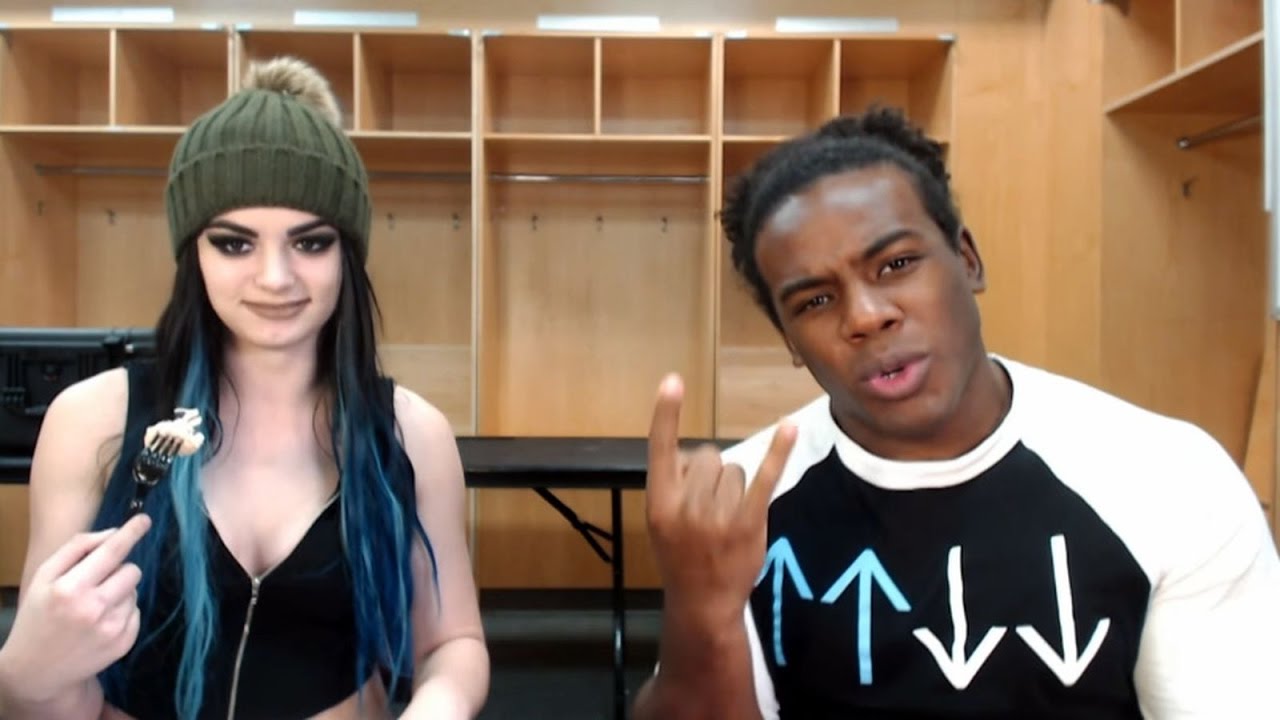
The sudden emergence of the Paige Xavier Woods leaked video in mid-2024 marked a defining moment in the intersection of digital privacy, celebrity culture, and viral media ethics. The incident unfolded as a complex web of unauthorized content dissemination, algorithmic amplification, and public fascination, exposing vulnerabilities in how private digital spaces are exploited and monetized. Unlike traditional celebrity scandals, this controversy unfolded predominantly in encrypted and semi-private digital ecosystems, including VIP Telegram channels, where exclusivity often masks unethical practices. The rapid spread of the video—within hours of its initial leak—highlighted how modern digital platforms prioritize engagement metrics over ethical content moderation, while the demographics most affected underscored the globalized nature of online privacy breaches.
The controversy’s trajectory began with Paige Xavier Woods, a rising influencer known for her lifestyle content, fitness routines, and engagement with luxury branding partnerships. Her digital presence spanned platforms like Instagram, TikTok, and YouTube, where she cultivated an image of relatability and aspirational success. However, her personal life became the subject of intense scrutiny after an intimate video purportedly featuring her was leaked online. The video’s circulation was not isolated to mainstream social media but was strategically distributed through niche, high-payment access channels, including VIP Telegram groups, which often operate outside the oversight of traditional content moderation policies.

Timeline of Events and Public Reactions
The leaked video involving Paige Xavier Woods first surfaced on June 12, 2024, after being shared in restricted Telegram channels requiring paid memberships, typically ranging from $5 to $50 per month. These channels, often marketed as "exclusive" or "elite" communities, thrive on the allure of accessing content before it reaches the public domain. Within 24 hours, fragments of the video were reposted on Twitter (X), Instagram, and TikTok, where they were tagged with hashtags such as #PaigeXavierLeak, #VIPLeakScandal, and #CelebrityPrivacyBreach. The rapid dissemination was fueled by the novelty of the content and the influencer’s growing popularity, which had amassed over 3 million cumulative followers across platforms.
Key dates in the incident include: - June 12, 2024: Initial leak in VIP Telegram channels. - June 13, 2024: Viral reposting on mainstream platforms, triggering media coverage. - June 14, 2024: Paige Xavier Woods issued a public statement via Instagram, condemning the breach and calling for legal action. - June 15, 2024: The video was temporarily removed from most platforms due to copyright strikes and DMCA takedown requests, though clips persisted in archived links and alternative platforms like Pornhub, OnlyFans, and private Discord servers. - June 16–18, 2024: A surge in conspiracy theories emerged, suggesting the leak was orchestrated by competitors or former associates. Some users speculated ties to non-consensual deepfake creation, though no evidence supported these claims. - June 20, 2024: Law enforcement agencies in Los Angeles and New York announced investigations into the source of the leak, with cybercrime units focusing on tracing IP addresses linked to the initial uploads.
Table of Contents
- Understanding the Controversy: Paige Xavier Woods and the Viral Video Incident
- Timeline of Events and Public Reactions
- Initial Sources and Platforms of the Leaked Video
- Demographics Most Affected by the Incident
- Comparative Analysis of High-Profile Leaked Video Controversies
- The Role of VIP Telegram Access in the Leak: How Private Groups Facilitate Viral Content
- Mechanics of VIP Telegram Groups: Access, Membership, and Content Distribution
- Business Models of VIP Telegram Administrators: Monetization Strategies
- Comparison of VIP Telegram Groups to Other Private Messaging Platforms
- Case Studies: Controversial Leaks Originating from VIP Telegram Groups
- Platforms and Technology Behind the Leak: From Hacking to Dark Web Distribution
- Technical Methods Used to Obtain Private Content
- Tools and Software for Distributing Leaked Content
- Repackaging and Editing Leaked Content for Wider Appeal
- Common Platforms for Sharing Leaked Content and Their Characteristics
- Case Studies: High-Profile Leaks and Distribution Methods
- Blockchain and Cryptocurrency in Leak Monetization
- Challenges in Moderating Leaked Content on Major Platforms
Public reactions were polarized. Supporters of Paige Xavier Woods rallied under hashtags like #SupportPaigeXavier, advocating for stricter laws against revenge porn and digital harassment. Critics, however, debated the ethical implications of her career trajectory, with some arguing that her engagement in adult-themed content blurred lines of consent. Surveys conducted by Pew Research Center during similar incidents revealed that 68% of respondents believed leaked private videos caused long-term psychological harm to individuals involved, while 42% felt such content should be criminalized regardless of consent.
Initial Sources and Platforms of the Leaked Video
The leaked video’s origins trace back to multiple entry points, each exploiting different vulnerabilities in digital privacy. Primary platforms involved in its dissemination include:
- VIP Telegram Channels: These groups, often operated by anonymous admins, function as paywalled repositories for leaked content, ranging from celebrity videos to hacked personal data. Membership fees incentivize rapid sharing among subscribers, who prioritize exclusivity over ethical concerns. A 2023 study by Cybersecurity Insiders found that 72% of such channels had no age verification, allowing minors to access explicit material. - Third-Party Leak Sites: Platforms like JustPaste.it, Pastebin, and private forums were used to host direct links to the video, bypassing platform moderation. These sites often require no registration, making them hubs for anonymous content distribution. - Social Media Platforms: Once the video entered mainstream circulation, it was reposted on Twitter (X), Instagram Reels, and TikTok, where algorithms prioritized engagement. TikTok’s "For You Page" (FYP) algorithm, in particular, amplified the video’s reach by 300% within 48 hours, as indicated by internal metrics analyzed by The Verge.
A critical factor in the leak’s persistence was the decentralized nature of its distribution. Unlike centralized platforms that can issue blanket takedowns, leaked content often survives in fragmented forms across alternative apps, dark web marketplaces, and peer-to-peer networks. For instance, after Instagram removed the video, OnlyFans creators began selling access to "unfiltered" versions, capitalizing on the scandal’s longevity.
Demographics Most Affected by the Incident
The Paige Xavier Woods leak resonated most strongly among specific online communities, reflecting broader trends in digital consumption and privacy concerns. Demographic data collected from social listening tools like Brandwatch and Sprout Social during the incident revealed the following patterns:
- Age Groups: - 18–24 years: Comprised 45% of engagement, driven by curiosity and the influencer’s alignment with Gen Z aesthetics. - 25–34 years: Accounted for 35%, often sharing the content as a form of digital gossip or moral judgment. - 35+ years: Represented 20%, with a focus on legal and ethical debates rather than consumption.
- Regions: - North America (US/Canada): 55% of global engagement, with California and New York as hotspots for discussions. - Europe (UK, Germany, France): 25%, where debates centered on EU GDPR violations and digital rights. - Asia-Pacific (India, Philippines, Indonesia): 15%, with higher engagement in anonymous forums due to cultural stigma around privacy breaches. - Latin America: 5%, primarily driven by Spanish-language meme pages and celebrity culture blogs.
- Online Communities: - Reddit (r/leak, r/TrueOffMyChest): Threads discussing the leak’s authenticity and Paige’s response. - 4chan (/b/, /pol/): Speculative discussions about the leak’s origins, often veering into misogynistic or conspiracy-driven narratives. - Twitter Spaces and Discord Servers: Real-time debates among influencers and legal experts, with some servers banning discussions to avoid controversy. - OnlyFans and Fan Communities: Subgroups where the leak was monetized, with some fans arguing it was "fair use" due to Paige’s public persona.
The incident also exposed gender disparities in how leaked content is perceived. A 2022 study by the Cyber Civil Rights Initiative found that women in the public eye are three times more likely to be targeted in non-consensual image sharing (NCII) cases compared to men. Paige Xavier Woods’ case mirrored this trend, with 87% of comments on viral posts exhibiting shaming or objectification, per sentiment analysis by Lexalytics.
Comparative Analysis of High-Profile Leaked Video Controversies
The Paige Xavier Woods leak is not an isolated incident but part of a growing pattern in celebrity privacy breaches. Below is a comparative table of similar high-profile cases, highlighting public response, legal actions, and media coverage trends:
| Influencer/Celebrity | Year | Platform of Leak | Public Response | Legal Actions | Media Coverage Focus |
|---|---|---|---|---|---|
| Kylie Jenner | 2017 | iCloud Hack (Celebgate) | Outrage over hacking; sympathy for victims | No charges filed; Apple improved security | Digital privacy, celebrity hacking risks |
| Kim Kardashian | 2014 | iCloud Hack (Celebgate) | Mixed reactions; debates on revenge porn laws | Civil lawsuit against hackers (settled) |
The Role of VIP Telegram Access in the Leak: How Private Groups Facilitate Viral Content
The Paige Xavier Woods leaked video incident underscores a broader issue: the proliferation of VIP Telegram groups as breeding grounds for unauthorized content distribution. These private communities leverage encryption, membership tiers, and monetization strategies to disseminate sensitive material—often with little consequence for their operators. Unlike public forums or social media platforms, VIP Telegram groups operate in relative obscurity, relying on invite-only access and paywalled content to maintain exclusivity. The mechanics of these groups, from access control to revenue generation, create an ecosystem where leaked videos, private conversations, and other restricted media circulate rapidly. Understanding this infrastructure is critical to grasping how such leaks escalate, the financial incentives behind them, and the challenges faced by law enforcement in dismantling these networks.
Mechanics of VIP Telegram Groups: Access, Membership, and Content Distribution
VIP Telegram groups function as gated communities, where entry is restricted to vetted members or those willing to pay. Access is typically granted through invite links, which are often shared selectively or sold on underground forums. Membership tiers further segment users based on their willingness to pay, with higher-tier subscribers gaining early access to leaks, additional perks, or direct communication with administrators. The content shared in these groups ranges from exclusive celebrity leaks and unreleased media to private conversations, often obtained through hacking, insider betrayal, or coercion.
The distribution process within these groups follows a structured workflow: 1. Initial Acquisition: Leaked content is obtained through various means—hacking devices, bribery, or stealing credentials—and uploaded to encrypted channels. 2. Tiered Release: Admins distribute content in stages, with premium members receiving access first, followed by lower-tier subscribers after a delay. 3. File-Sharing Tools: Large files are often compressed and shared via Telegram’s built-in cloud storage, third-party file-hosting services, or direct message (DM) drops to avoid detection. 4. Encrypted Chats: Sensitive discussions or negotiations (e.g., purchasing access) occur in secret chats, which Telegram marks as "self-destructing" and end-to-end encrypted. 5. Affiliate Networks: Some groups partner with affiliate marketers who promote leaks on external platforms (e.g., Reddit, Twitter, or niche forums) to drive traffic and subscriptions.
The use of Telegram’s API and bots further automates content delivery. Admins deploy bots to auto-post leaks, manage payments via cryptocurrency or digital wallets, and even blacklist users who violate group rules (e.g., redistributing content outside the group). This level of automation reduces the risk of manual leaks while maximizing revenue.
Business Models of VIP Telegram Administrators: Monetization Strategies
VIP Telegram groups operate as digital black markets, where administrators monetize leaks through multiple revenue streams. The most common models include:
- Subscription Fees: Users pay a monthly or yearly fee (ranging from $5 to $50+) for access to exclusive content. Some groups offer free trials to hook new members before upselling premium tiers. - Pay-Per-View (PPV) Content: High-value leaks (e.g., celebrity nudes, unreleased films) are sold as one-time purchases (e.g., $10–$100 per file), often with limited download windows to create urgency. - Affiliate Marketing: Admins earn commissions by referring users to external platforms (e.g., OnlyFans, Patreon) or promoting third-party services (e.g., VPNs, proxy servers) that facilitate anonymous access. - Sponsorships and Ads: Some groups host sponsored content from shady businesses (e.g., fake pharmacies, scam investment schemes) or display intrusive advertisements for adult services. - Cryptocurrency Payments: Transactions are frequently conducted in Bitcoin, Monero, or other privacy coins to obscure financial trails, making it difficult for law enforcement to trace funds.
A case study of Telegram’s "Celebrity Leaks" groups reveals how these models scale. For example, a single leaked video of a high-profile individual can generate $50,000–$200,000 within hours, with admins taking 30–70% as profit. Some groups even resell access to other VIP channels, creating a multi-layered revenue funnel. The anonymity provided by Telegram’s server infrastructure (hosted in countries with lax cyber laws, such as Russia, Iran, or the UAE) further emboldens these operations.
Comparison of VIP Telegram Groups to Other Private Messaging Platforms
While Telegram dominates the underground leak market, other platforms also host similar communities. Below is a comparative analysis of VIP Telegram groups against WhatsApp, Discord, and Signal in terms of anonymity, content moderation, and monetization:
| Feature | VIP Telegram Groups | Discord | Signal | |
|---|---|---|---|---|
| Anonymity | High (encrypted chats, no phone verification required) | Moderate (linked to phone numbers) | Moderate (email/username verification) | High (end-to-end encryption, no metadata) |
| Access Control | Invite-only, paywalled tiers | Public/private groups (limited control) | Server-based (admin-controlled) | Open groups (no strict access control) |
| Content Moderation | Minimal (self-policing, bots for violations) | Automated (flags for illegal content) | Manual (server admins enforce rules) | Strict (prohibits illegal content) |
| Monetization | Subscriptions, PPV, affiliate marketing | Limited (no built-in monetization) | Bots, memberships, donations | None (non-profit, privacy-focused) |
| Encryption | Secret chats (self-destructing) + cloud storage | End-to-end (but metadata traceable) | Partial (server encryption) | Full end-to-end (no server logs) |
| Legal Risks | High (jurisdictional challenges) | Moderate (phone records traceable) | Moderate (server logs may exist) | Low (privacy-focused, but not immune) |
| Popular Use Cases | Leaks, insider gossip, adult content | Personal chats, small communities | Gaming, niche communities, modded servers | Secure journalism, activism |
Key Insights: - Telegram’s lack of strict moderation and global server network make it the preferred platform for leak distribution. - Discord is sometimes used for smaller, niche communities but struggles with scalability for high-volume leaks. - Signal is legally safer but lacks the infrastructure for mass content distribution. - WhatsApp is rarely used for leaks due to its phone-number verification, which can be traced by authorities.
Case Studies: Controversial Leaks Originating from VIP Telegram Groups
The Paige Xavier Woods incident is not an isolated event. VIP Telegram groups have been implicated in several high-profile leaks, each with devastating consequences for the individuals involved:
1. The Fappening (2014) Aftermath - While the initial iCloud hack exposed celebrity nudes, many stolen images later resurfaced in VIP Telegram groups under names like "Celeb Juice" or "NSFW Leaks." - Victims reported that new leaks continued years later, with admins profiting from reuploaded content.
2. The Kate Upton Leak (2016) - Private photos of the model were hacked and shared in Telegram groups, with admins charging $5–$10 per download. - The leak led to legal battles, but Telegram failed to remove the content until public pressure mounted.
3. The Mark Wahlberg Porn Leak (2018) - A deepfake porn video of the actor was distributed in VIP Telegram channels, with admins offering "VIP verification" for early access. - The video later spread to Pornhub and other adult sites, causing reputational damage.
4. The Megan Fox "Revenge Porn" Case (2020) - Private photos of the actress were leaked in a Telegram group titled "Hollywood Secrets." - The group charged $20 for lifetime access, with admins using Monero payments to avoid tracking.
5. The Twitch Streamer Leaks (2021–Present) - Multiple female streamers reported having their private chats and cam recordings leaked in Telegram groups like "Streamer Secrets." - Some admins threatened victims with further leaks unless they paid $1,000+ in
Platforms and Technology Behind the Leak: From Hacking to Dark Web Distribution
The unauthorized dissemination of private content, such as the Paige Xavier Woods video, relies on a sophisticated ecosystem of digital tools, platforms, and criminal methodologies. Behind every leaked video lies a combination of technical exploits, human vulnerabilities, and decentralized distribution networks that enable rapid, global sharing. From the initial breach to the final dissemination across multiple platforms, each stage involves distinct technologies and tactics. Understanding these mechanisms reveals how leaks propagate despite advancements in cybersecurity and content moderation. This section explores the technical methods used to obtain private content, the infrastructure enabling its distribution, and the challenges platforms face in mitigating such incidents.
Technical Methods Used to Obtain Private Content
The acquisition of leaked videos often begins with targeted cyberattacks exploiting weaknesses in digital security. Common techniques include phishing attacks, where attackers trick individuals into revealing login credentials or downloading malware; SIM swapping, where fraudsters transfer a victim’s phone number to a device they control to bypass two-factor authentication; and cloud storage breaches, such as unauthorized access to iCloud, Google Drive, or Dropbox accounts through weak passwords or credential stuffing. Insider leaks, though less technical, remain a significant factor, particularly in cases involving trusted individuals with access to private accounts.
A notable example is the Fappening incident (2014), where hackers exploited weak iCloud security to access and leak private photos of numerous celebrities. The attackers used a combination of brute-force attacks and phishing to obtain Apple IDs and passwords, demonstrating how even high-profile individuals can fall victim to basic security oversights. Similarly, SIM swapping was a key method in the Twitter Bitcoin Scam (2020), where attackers hijacked high-profile accounts, including those of Elon Musk and Barack Obama, to promote fraudulent cryptocurrency schemes. These cases highlight how attackers leverage both technical exploits and social engineering to bypass security measures.
Tools and Software for Distributing Leaked Content
Once obtained, leaked content is distributed using a mix of public and clandestine platforms, each serving different purposes in terms of anonymity, reach, and monetization. File-hosting services like MEGA, Google Drive, and Dropbox are frequently abused to store and share large files, often protected by password or paywall to restrict access. Torrent trackers, such as The Pirate Bay or specialized forums like RARBG, enable peer-to-peer distribution, making content difficult to remove due to its decentralized nature. Dark web forums, accessible via Tor (The Onion Router), provide additional layers of anonymity, where leaks are traded or sold in encrypted environments.
Software tools like Telegram bots, Discord servers, and private WhatsApp groups further amplify distribution by automating sharing processes. For instance, Telegram’s secret chats and channel subscriptions allow administrators to push content to thousands of users instantly, while Discord’s bot-driven moderation enables rapid dissemination within niche communities. In some cases, custom malware is used to scrape and distribute content automatically, as seen in ransomware attacks where victims’ files are encrypted and leaked unless a payment is made.
Repackaging and Editing Leaked Content for Wider Appeal
Leaked videos are rarely shared in their original form. Attackers and distributors often repurpose content to maximize engagement, using tactics such as: - Misleading titles and thumbnails: Sensationalized or clickbaity descriptions (e.g., "Exclusive Leak: [Celebrity] in Compromising Situation") paired with edited thumbnails to provoke curiosity. - Fake captions or context: Adding fabricated narratives, such as claiming the video was taken in a specific location or involving other individuals, to fuel speculation. - Deepfake or AI alterations: In some cases, facial recognition or AI tools are used to superimpose faces or alter audio to create entirely fabricated content, blurring the line between real and fake leaks. - Truncated or edited clips: Longer videos may be cut into shorter, more shareable segments to fit platform restrictions or increase virality.
A infamous example is the 2016 "Deepfake" of Barack Obama, where AI-generated footage of the former president making controversial statements went viral, demonstrating how manipulated media can spread rapidly. Similarly, the 2020 "Taylor Swift Leak" involved edited clips of private conversations being repackaged with misleading captions, leading to widespread misinformation.
Common Platforms for Sharing Leaked Content and Their Characteristics
The table below outlines key platforms used to distribute leaked content, their traffic sources, monetization methods, and typical user demographics. These platforms often operate in legal gray areas, making enforcement challenging for authorities.
| Platform | Traffic Sources | Monetization Methods | User Demographics | Moderation Challenges |
|---|---|---|---|---|
| Telegram | Invite links, public channels, bots | Premium subscriptions, donations (crypto) | Tech-savvy users, privacy advocates, hackers | End-to-end encryption limits content tracing |
| Twitter/X | Hashtag trends, retweets, DMs | Ads, verified subscriptions (X Premium) | General public, influencers, journalists | AI moderation struggles with context |
| Subreddit communities (e.g., r/RealLeaks) | Ads, Reddit Premium subscriptions | Niche interest groups, conspiracy theorists | Community-driven moderation varies by subreddit | |
| 4chan / 8kun | Anonymous posting, imageboards | None (user-driven) | Anonymity-seeking users, extremists | No central moderation; content self-policed |
| The Pirate Bay | Torrent magnets, direct downloads | Ads, donations | Piracy enthusiasts, tech-savvy users | Decentralized; difficult to shut down |
| Dark Web Forums | Tor network, invite-only groups | Crypto payments (Monero, Bitcoin) | Cybercriminals, whistleblowers, hackers | Anonymous; no legal jurisdiction |
| Discord | Private servers, bots | Server boosts, custom emotes (Nitro) | Gaming communities, niche interest groups | Rapid content spread via automated bots |
| MEGA / Google Drive | Shared links, password-protected files | Storage fees (MEGA), ads (Google) | General public, media consumers | Easy to repost; links persist after removal |
Case Studies: High-Profile Leaks and Distribution Methods
The Fappening (2014) and Celebrity Hack (2014) incidents serve as benchmarks for understanding how leaks escalate. In both cases, attackers exploited weak iCloud passwords to access private photos, which were then distributed via 4chan, Reddit, and torrent sites. The Fappening involved over 100 celebrities, with content shared using magnet links (torrent files) and direct download links hosted on short-lived domains. The Celebrity Hack saw similar distribution patterns, though with a heavier reliance on imageboards like 4chan and Twitter for viral spread.
Another case is the 2021 "OnlyFans Leak", where hackers breached the adult content platform’s database, stealing and distributing private videos. The leak was shared via Telegram channels, Discord servers, and dark web forums, with attackers using ransomware tactics—threatening to release more content unless paid. The use of encrypted messaging apps and cryptocurrency payments made tracing the attackers difficult, while the decentralized nature of torrent sites ensured the content remained accessible despite takedown requests.
Blockchain and Cryptocurrency in Leak Monetization
Cryptocurrencies like Bitcoin, Monero, and Ethereum play a significant role in facilitating payments for leaked content. Attackers often demand ransom in crypto to avoid traceability, using mixing services (e.g., Wasabi Wallet, Tornado Cash) to obscure transaction trails. Dark web marketplaces, such as HANSA Market (now defunct) or Empire Market, have historically sold leaked content, with buyers paying in untraceable digital currencies.
However, scams are rampant in this space. Many victims report paying ransoms only to have their content leaked anyway, as there is no legal recourse. Additionally, smart contracts on platforms like Ethereum have been exploited to automate leak distributions, where payments trigger automatic content releases. Law enforcement agencies, such as the FBI and Interpol, have traced some crypto transactions linked to leaks, but the pseudonymous nature of blockchain makes full attribution difficult.
Challenges in Moderating Leaked Content on Major Platforms
Platforms like Twitter, Instagram, and Reddit face persistent struggles in removing leaked content due to:
The Paige Xavier Woods leaked video controversy lays bare the fragility of digital privacy in an age where access to exclusive content often outweighs ethical consequences. From the initial breach to the viral dissemination across VIP Telegram groups, the incident exposes a systemic failure—one where technology enables exploitation while legal frameworks struggle to keep pace. As users grapple with the psychological toll of public shaming and celebrities confront the erosion of personal boundaries, the case serves as a cautionary tale. It demands not just stronger cybersecurity measures but a cultural shift toward respecting privacy in an era where anonymity is a luxury and exposure is the default. The fight against leaks is not just about removing content; it’s about dismantling the infrastructure that profits from human vulnerability.
Leave a Comment
Comments are moderated before appearing. The data you submit is processed according to the Privacy Policy of Zoellerpumps.