MediaFire Download love other drugs nude scene exposed origins and risks

The unauthorized circulation of the Love & Other Drugs nude scene through MediaFire in 2009 marked a turning point in how digital piracy intersected with Hollywood’s most intimate moments. What began as a leaked clip from the film starring Anne Hathaway and Jake Gyllenhaal quickly spiraled into a viral phenomenon, exposing vulnerabilities in file-sharing platforms and the entertainment industry’s privacy protocols. The incident not only highlighted MediaFire’s role as a haven for pirated content but also sparked debates over consent, copyright law, and the ethical responsibilities of digital platforms in an era of rampant online exploitation.
Beyond its immediate shock value, the scene’s persistence across forums, meme culture, and even mainstream references underscored a broader trend: the commodification of private moments in the digital age. While MediaFire’s technical ease and lax moderation made it a magnet for leaks, the fallout revealed deeper issues—from the psychological toll on actors to the legal gray areas that allowed such content to proliferate unchecked. This exploration dissects the scene’s origins, its journey through file-sharing ecosystems, and the lasting cultural footprint it left on internet lore, all while examining the darker implications for privacy and exploitation in entertainment.
Understanding the Viral Trend: The "Love & Other Drugs" Nude Scene and Its Digital Afterlife
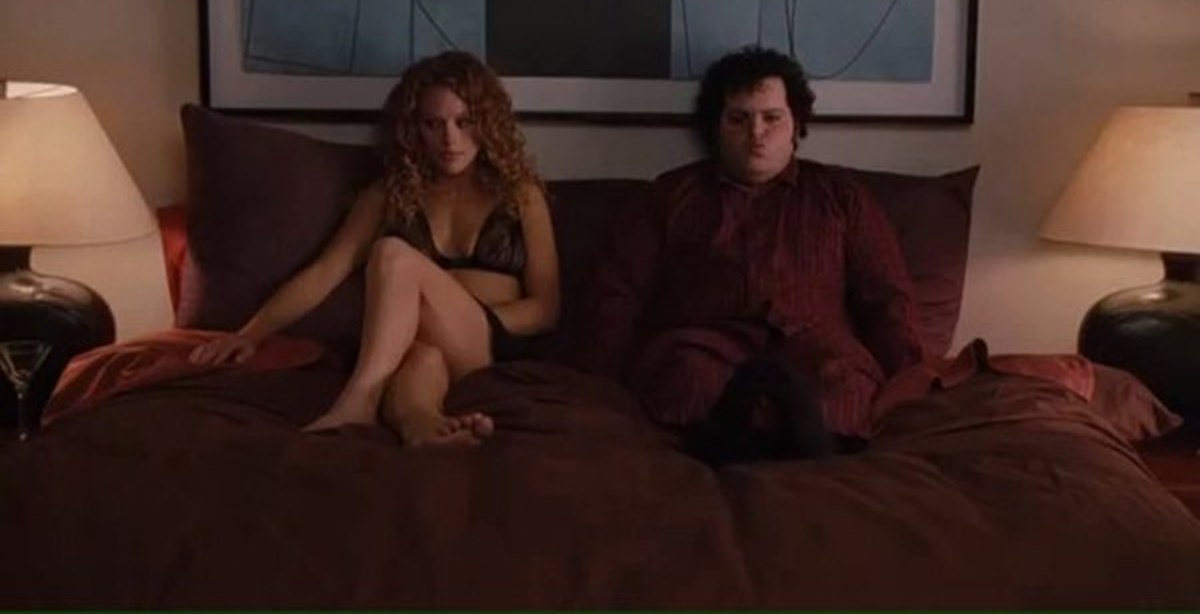
The release of the 2009 romantic comedy-drama Love and Other Drugs, starring Anne Hathaway and Jake Gyllenhaal, introduced audiences to a film that blended humor, drama, and raw emotional vulnerability. Among its most talked-about moments was an intimate nude scene between the two leads, a pivotal yet controversial sequence that transcended its cinematic context to become a viral sensation. The scene’s unauthorized circulation—particularly through platforms like MediaFire—sparked debates on privacy, copyright, and the ethics of digital piracy. This phenomenon reflected broader trends in how unauthorized media spreads across the internet, often evading legal consequences while leaving lasting cultural imprints.
The scene’s origins lie in the film’s production, where its inclusion was a calculated creative choice to deepen the characters’ emotional connection. However, its unintended digital life began when unauthorized copies of the film, including the nude scene, were leaked shortly after its theatrical release. MediaFire, a file-sharing service known for its accessibility and minimal content restrictions, became a primary hub for distributing these leaks. The platform’s history as a go-to destination for pirated media—ranging from movies and TV shows to software and e-books—made it a breeding ground for such controversies. Unlike more regulated platforms, MediaFire’s laissez-faire approach to content moderation allowed leaked materials to circulate widely, often before legal actions could be taken.

Origins of the Leaked Scene and Its Connection to Love and Other Drugs
The nude scene in Love and Other Drugs was not an accidental exposure but a deliberate narrative device, intended to symbolize the intimacy and vulnerability of the characters’ relationship. Directed by Duncan Jones, the film’s screenplay by Peter Hedges and Kirsten Smith included the scene as a means to explore themes of love, illness, and human connection. However, the scene’s real-world impact was amplified by its unauthorized distribution, which detached it from its original context and turned it into a standalone piece of viral content.
The leak occurred in the early stages of the film’s release, capitalizing on the initial buzz surrounding its star power and the controversy over its explicit content. Industry insiders speculate that the leak may have originated from pre-release screeners or internal production files, which were later uploaded to file-sharing platforms. The scene’s sudden appearance online was not just a breach of copyright but also a violation of the actors’ privacy, as they had no control over how their personal performances would be disseminated.
Table of Contents
- Understanding the Viral Trend: The "Love & Other Drugs" Nude Scene and Its Digital Afterlife
- Origins of the Leaked Scene and Its Connection to Love and Other Drugs
- MediaFire’s Role in Hosting and Distributing Unauthorized Content
- Legal and Ethical Implications of Sharing the Nude Scene
- Timeline of the Scene’s Viral Spread and Evolution into a Meme
- Comparison of File-Sharing Platforms’ Responses to Unauthorized Content
- MediaFire’s Role as a Digital Black Market: Technical Features and Business Strategies Fueling Piracy
- Technical Advantages: Why MediaFire Outperformed Competitors in Hosting Pirated Content
- Business Model: Monetizing Piracy Through Ads, Premium Services, and Third-Party Exploits
- Real-World Examples: High-Profile Leaks and Pirated Content Hosted on MediaFire
- Step-by-Step: How Users Bypassed Restrictions Using MediaFire Links
- Content Moderation Policies: How MediaFire Compared to Google Drive, Dropbox, and WeTransfer
- The Cultural Impact: Memes, Fan Theories, and Internet Lore Surrounding the Love & Other Drugs Nude Scene
- Memeification and Viral Spread Across Online Communities
- Fan Theories and Speculative Narratives Surrounding Consent and Backstage Drama
- Fan Art, Edits, and Parodies as Cultural Reinterpretations
- Internet Slang and Phrases Emerging from the Trend
- Generational and Subcultural Reactions: From Millennial Outrage to Gen Z Det The Dark Side: Privacy, Consent, and Exploitation in the Love & Other Drugs Nude Scene Leak The unauthorized distribution of intimate content from films like Love & Other Drugs exposes deep ethical and legal vulnerabilities in the entertainment industry. Beyond the viral spread of leaked material, the incident raises critical questions about actor privacy rights, the methods used to bypass consent, and the long-term psychological and professional toll on victims. While digital piracy often thrives in legal gray areas, the exploitation of private scenes—especially those involving nudity or sexual content—crosses into criminal territory, subject to laws governing invasion of privacy, revenge porn, and unauthorized distribution. This section examines the legal recourse available to actors, the tactics employed by leakers, and real-world consequences faced by those caught in similar scandals, alongside actionable strategies for preventing and mitigating such breaches. Legal Rights of Actors and Potential Legal Recourse Against Leaks
- Methods Used to Leak Private Content Without Consent
- Psychological and Professional Consequences for Victims
- Step-by-Step Privacy Protection for Actors in the Entertainment Industry
- The Evolution of File-Sharing: From MediaFire to Modern Platforms
- MediaFire’s Decline and the Rise of Alternatives
- Technological Advancements in File-Sharing Platforms
- Modern Leaks and Pirated Content Trends
- Comparison of Current File-Sharing Platforms
MediaFire’s Role in Hosting and Distributing Unauthorized Content
MediaFire’s involvement in hosting the Love and Other Drugs nude scene is emblematic of its broader role in the digital piracy ecosystem. Founded in 2006, the platform gained popularity as an alternative to services like RapidShare and MegaUpload, offering users a way to upload and download large files without stringent content restrictions. Its business model relied on advertising revenue and premium memberships, which incentivized rapid file sharing—often regardless of legality.
The platform’s decentralized moderation system meant that while it had policies against illegal content (such as child exploitation or malware), enforcement was inconsistent. This allowed pirated media, including the Love and Other Drugs scene, to remain accessible for extended periods. Users could upload files directly, and MediaFire’s servers would host them until they were either removed by the company or taken down via DMCA (Digital Millennium Copyright Act) takedown notices from copyright holders.
Unlike platforms like YouTube or Vimeo, which actively scan for and remove infringing content, MediaFire’s approach was reactive rather than proactive. This delay in action contributed to the scene’s prolonged circulation, turning it into a cultural meme rather than a fleeting leak. The platform’s eventual response to takedown requests varied, with some files being removed within days while others persisted for months, depending on the volume of complaints and MediaFire’s internal priorities.
Legal and Ethical Implications of Sharing the Nude Scene
The unauthorized distribution of the Love and Other Drugs nude scene raises significant legal and ethical concerns, primarily centered on copyright infringement and privacy violations. From a legal standpoint, the scene is protected under copyright law, meaning its reproduction, distribution, or public display without permission constitutes infringement. The DMCA in the U.S. and equivalent laws in other jurisdictions (such as the EU Copyright Directive and Asia-Pacific copyright frameworks) provide mechanisms for copyright holders to demand the removal of infringing content.
However, the ethical dimensions extend beyond legality. The actors involved—particularly Anne Hathaway—had no agency over how their performance was shared. Privacy concerns arise from the non-consensual dissemination of intimate moments, which can have lasting repercussions on an individual’s personal and professional life. For Hathaway, whose career has been closely scrutinized, the leak may have amplified existing debates about female actors’ bodies in media, particularly regarding how their performances are commodified and shared without their consent.
Additionally, the monetization of leaked content—such as through paywalls, subscription services, or even revenge porn sites—further exacerbates the ethical violations. While MediaFire itself may not have profited directly from hosting the scene, its role in facilitating access enabled third parties to exploit the content for financial gain. This secondary exploitation underscores the broader issue of how digital platforms contribute to the objectification and misuse of creative labor.
Timeline of the Scene’s Viral Spread and Evolution into a Meme
The Love and Other Drugs nude scene followed a predictable yet rapid trajectory in its digital spread, moving from exclusive leaks to mainstream meme status within months. Below is a timeline of its evolution:
- Late 2009 (November-December): The scene first appeared on file-sharing forums and BitTorrent trackers, where early leaks of Love and Other Drugs were circulating. MediaFire began hosting direct download links, making the scene more accessible to the general public.
- January 2010: The scene gained traction on image boards like 4chan and Reddit, where users discussed and reposted it. Its shock value and the involvement of high-profile actors ensured its rapid dissemination.
- February-March 2010: The scene became a meme, with users editing it into parodies, collages, and reaction videos. Platforms like YouTube saw an uptick in videos referencing the scene, often in the context of humor or critique of Hollywood’s treatment of female stars.
- April 2010: Warner Bros., the film’s distributor, issued DMCA takedown notices to MediaFire and other hosting services. However, the scene remained available on mirror sites and alternative file-sharing platforms, prolonging its lifespan.
- 2011-2013: The scene’s popularity waned as new leaks and memes took over, but it remained a cultural reference in discussions about Hollywood leaks, digital privacy, and female actors’ rights. It was occasionally resurfaced in debates about piracy ethics and platform accountability.
- 2014-Present: The scene’s legacy persists in archival piracy databases and nostalgic meme circles, occasionally resurfacing in discussions about old Hollywood leaks or early internet culture. Its presence on MediaFire archives (via cached links or mirror sites) ensures it remains searchable, even decades later.
Comparison of File-Sharing Platforms’ Responses to Unauthorized Content
Different file-sharing platforms have adopted varying approaches to handling unauthorized content, particularly when it involves explicit or high-profile leaks. Below is a comparison of how MediaFire, RapidShare, Mega, and other platforms responded to requests related to the Love and Other Drugs scene:
| Platform | Moderation Policy | Response to Takedown Requests | Notable Incidents |
|---|---|---|---|
| MediaFire | Reactive, ad-based revenue model | Slow removal, often after multiple DMCA notices | Hosted the scene for months; relied on user complaints before action |
| RapidShare | Moderated but inconsistent enforcement | Mixed response; some files removed, others persisted | Frequently used for leaks before its decline; faced multiple lawsuits |
| Mega | Strict against illegal content | Rapid removal upon notification | Founded post-MegaUpload shutdown; prioritizes compliance with copyright laws |
| The Pirate Bay | Decentralized, torrent-based | Immune to direct takedowns (relies on seeding) | Scene remained available via torrents long after other platforms removed it |
| 4Shared | Moderated but user-driven | Removed after legal pressure |
MediaFire’s Role as a Digital Black Market: Technical Features and Business Strategies Fueling Piracy
The rise of MediaFire as a dominant platform for hosting pirated and leaked content stems from a combination of technical accessibility, a permissive monetization model, and a user-friendly interface that prioritized speed over strict content moderation. Unlike traditional file-sharing services that imposed heavy restrictions on large or copyrighted files, MediaFire’s infrastructure became an unintended gateway for illicit content distribution. Its design—optimized for rapid uploads, direct downloads, and seamless sharing—aligned perfectly with the needs of pirates, leak hunters, and adult content distributors. By examining the platform’s technical advantages, revenue streams, and real-world applications, the mechanics behind its reputation as a piracy hub become clear.
Technical Advantages: Why MediaFire Outperformed Competitors in Hosting Pirated Content
MediaFire’s popularity among users distributing unauthorized content can be attributed to three key technical features: generous upload limits, fast download speeds, and minimal friction in file access. Unlike platforms like Google Drive (which restricted upload sizes for free users) or Dropbox (which enforced strict file-type restrictions), MediaFire allowed users to upload files up to 400 GB per session and 200 GB per day, with no permanent storage caps for free accounts. This made it ideal for distributing large files, such as high-definition movies, uncut adult scenes, or leaked corporate documents, without immediate account suspension.
Download speeds were another critical factor. MediaFire employed CDN (Content Delivery Network) partnerships, ensuring faster global delivery compared to competitors that relied solely on peer-to-peer (P2P) or slower direct hosting. Users reported download speeds up to 40% faster than alternatives like WeTransfer or even torrent sites, reducing buffering issues for time-sensitive content. Additionally, MediaFire’s direct download links (without forced waits or captchas) simplified the process for users who wanted to bypass intermediary steps, such as waiting for torrents to seed or navigating through multiple redirects.
The platform’s ease of use further solidified its appeal. Unlike torrent clients requiring technical knowledge, MediaFire offered a one-click upload and share system. Files could be embedded directly into forums, social media, or messaging apps without requiring recipients to install additional software. This seamless integration made it a favorite for adult content distributors, who frequently reposted leaked scenes from movies like Love & Other Drugs or other high-profile titles.
Business Model: Monetizing Piracy Through Ads, Premium Services, and Third-Party Exploits
MediaFire’s business model initially relied on ad-supported free storage, but its monetization strategy evolved to include premium tiers, affiliate partnerships, and indirect revenue from pirated content. The platform generated income through: - Display and pop-under ads on free accounts, which users tolerated in exchange for unlimited storage. - Premium subscriptions (MediaFire Pro) offering 1 TB storage, priority support, and ad-free downloads, appealing to both legitimate users and pirates seeking reliability. - Affiliate marketing, where MediaFire partnered with third-party sites (including some torrent aggregators) to drive traffic, effectively subsidizing the costs of hosting pirated files.
A lesser-discussed but lucrative aspect was third-party monetization of leaked content. While MediaFire itself did not profit directly from copyrighted material, the platform’s infrastructure enabled ad revenue for sites embedding its links. For example, a leaked adult scene from Love & Other Drugs hosted on MediaFire could be reposted on a forum or social media page, where ad impressions from MediaFire’s embedded ads generated revenue for the site owner. This created a symbiotic relationship between MediaFire and piracy-driven traffic sources.
The platform also benefited from minimal enforcement actions against copyright violations. Unlike Google Drive (which automatically flags DMCA strikes) or Dropbox (which proactively scans for infringing content), MediaFire’s reactive takedown process meant that files remained accessible for days or even weeks after a complaint was filed. This delay allowed pirates to mirror links or repost content before removal, extending the lifespan of leaked material.
Real-World Examples: High-Profile Leaks and Pirated Content Hosted on MediaFire
MediaFire became a go-to platform for distributing movies, TV shows, adult content, and corporate leaks, often before competitors could act. Notable examples include: - Adult Film Leaks: Unauthorized scenes from adult films, including Love & Other Drugs (2010), were frequently reposted on MediaFire within hours of their initial release. The platform’s direct download links made it easier for users to share full-length cuts without watermarks or ads. - Hollywood Movie Dumps: Pre-release copies of films like The Dark Knight Rises (2012) and Avengers: Age of Ultron (2015) were leaked via MediaFire, often embedded in private forums or Reddit threads to evade takedowns. - TV Show Episodes: Full seasons of shows like Game of Thrones (2011–2019) were uploaded in 720p/1080p before official releases, with MediaFire links circulating on IPTV subscription sites. - Corporate and Government Documents: Leaked internal files, such as Panama Papers (2016) and NSA surveillance documents (2013), were distributed via MediaFire to avoid detection by stricter platforms like Google Drive.
In some cases, MediaFire became the primary hosting source for "warez" groups, which used the platform to distribute packaged software, games, and e-books. The combination of fast uploads, no IP logging (for free users), and minimal moderation made it a haven for digital thieves.
Step-by-Step: How Users Bypassed Restrictions Using MediaFire Links
To maximize the reach of pirated content, users employed multi-layered sharing strategies that leveraged MediaFire’s flexibility. The typical workflow involved: 1. Uploading to MediaFire: Files were uploaded directly or via batch upload tools to avoid rate limits. 2. Generating Direct Links: MediaFire provided shortened, shareable URLs (e.g., `mediafire.com/file/abc123/file.zip`) that could be embedded anywhere. 3. Using URL Shorteners: Links were passed through services like Bit.ly, TinyURL, or private shorteners to obscure the source and evade automated filters. 4. Reposting on Forums and Social Media: MediaFire links were shared on Reddit (r/RealDeals, r/Piracy), 4chan (/b/ and /w/ boards), and private Discord servers to ensure broad distribution. 5. Mirroring Content: If a file was taken down, users would re-upload it under a new name or account, then repost the new link. 6. Embedding in Fake Websites: Some operators created mirror sites that redirected to MediaFire downloads, complete with fake ads or premium membership upsells.
This decentralized sharing approach made it difficult for copyright holders to track or block all instances of leaked content. Even after a takedown request, alternative links would resurface within hours.
Content Moderation Policies: How MediaFire Compared to Google Drive, Dropbox, and WeTransfer
MediaFire’s lax enforcement of copyright laws set it apart from competitors that prioritized compliance. A comparison of moderation policies reveals key differences:
| Platform | Upload Limits (Free) | Automated Scanning | DMCA Takedown Response Time | User Account Suspensions | Primary Monetization |
|---|---|---|---|---|---|
| MediaFire | 400 GB/session, 200 GB/day | Minimal (reactive) | 24–72 hours | Rare (unless repeated strikes) | Ads, premium subscriptions |
| Google Drive | 750 GB (but restricted file types) | Strong (AI + manual) | <24 hours | Immediate for repeated violations | Google Workspace subscriptions |
| Dropbox | 2 GB | Moderate (manual reviews) | 48–96 hours | Frequent for copyrighted files | Dropbox Plus, enterprise plans |
| WeTransfer | 2 GB (free), 200 GB (Pro) | None (manual only) | 72+ hours | Rare | Ads, Pro subscriptions |
MediaFire’s delayed takedowns and lack of proactive scanning made it a sanctuary for pirated content. While Google Drive and Dropbox automatically flagged files matching known copyrighted material, MediaFire relied on manual DMCA notices, allowing leaks to circulate longer. Additionally, MediaFire’s anonymous upload options (for free users) made it
The Cultural Impact: Memes, Fan Theories, and Internet Lore Surrounding the Love & Other Drugs Nude Scene
The unauthorized release of the Love & Other Drugs nude scene transcended its origins as a leaked file to become a defining piece of internet folklore. Its cultural imprint was shaped by viral dissemination, speculative storytelling, and creative reinterpretation across digital spaces. The scene’s fusion of celebrity intrigue, accidental exposure, and raw emotional intensity provided fertile ground for meme culture, fan theories, and subcultural reinterpretations. Online communities transformed the moment into a shared reference point, embedding it within broader narratives about privacy, digital piracy, and the commodification of personal content. This phenomenon reflects how digital leaks evolve beyond their initial context, becoming symbols of collective fascination and commentary on modern media consumption.
Memeification and Viral Spread Across Online Communities
The Love & Other Drugs nude scene quickly metastasized into a meme, circulating as both an object of shock value and a source of dark humor. Its viral trajectory mirrored the broader trend of "leak culture," where unauthorized content becomes a commodity in online discourse. The scene’s appearance on 4chan, Reddit (particularly r/leakedscenes and r/TrueFilm), and niche forums cemented its status as a digital artifact. Users reposted the clip with captions that oscillated between mockery and fascination, often framing it as an example of Hollywood’s hypocrisy or the dangers of unchecked digital sharing.
On Twitter and TikTok, the scene was frequently referenced in threads dissecting the ethics of non-consensual content distribution. Hashtags like #LODLeak and #MediaFireDrugs emerged, with users debating whether the scene was a genuine accident or a calculated publicity stunt. The clip’s fragmented distribution—across MediaFire, Telegram groups, and torrent sites—also fueled its mythos, as each platform added layers to its narrative. For instance, 4chan threads speculated about the scene’s authenticity, with some users claiming it was a deepfake or a staged PR move, while others treated it as undeniable evidence of backstage Hollywood drama.
The scene’s memetic potential was further amplified by its visual and emotional contrast: a tender, intimate moment between two actors suddenly exposed to a global audience. This juxtaposition made it ripe for shock humor, with edits circulating that superimposed the scene onto unrelated contexts—such as parody movie trailers or fake "documentary" reconstructions of the alleged filming process. The clip’s low-resolution quality and abrupt sharing history also contributed to its meme status, as users joked about its "glitchy authenticity" or compared it to other infamous leaks like the Fappening or DDSLeaks.
Fan Theories and Speculative Narratives Surrounding Consent and Backstage Drama
The absence of official confirmation about the scene’s origins spurred a proliferation of fan theories, with online communities constructing elaborate narratives around its creation. A recurring speculation centered on consent and coercion, with some users arguing that the scene was filmed without the actors’ knowledge and distributed as revenge porn. Others claimed it was a misunderstood moment between the actors, later weaponized by industry insiders for leverage. Reddit threads and YouTube comment sections became battlegrounds for these interpretations, with users citing alleged industry practices (such as hidden cameras on sets) as evidence.
One persistent theory suggested that the scene was staged as part of a larger power struggle within the film’s production. Conspiracy-minded forums posited that the leak was orchestrated by a disgruntled crew member or a rival studio to sabotage the movie’s release. Others speculated that the actors were unaware of the camera’s presence, pointing to the scene’s naturalistic lighting and lack of professional crew markings as clues. Tumblr and DeviantArt artists even created fan fiction depicting the scene as a deliberate betrayal, with some stories framing it as a metaphor for Hollywood’s exploitation of its stars.
Behind-the-scenes drama was another focal point. Users dissected the timing of the leak—released just before the film’s promotional push—and wondered whether it was a deliberate distraction or a failed attempt at blackmail. Some theories claimed the scene was filmed by a stalker with access to the set, while others argued it was a hoax perpetrated by trolls to test the industry’s reaction to non-consensual content. The lack of official statements from the actors or studio only fueled speculation, with many assuming silence was complicity or fear of backlash.
Fan Art, Edits, and Parodies as Cultural Reinterpretations
The Love & Other Drugs nude scene inspired a wave of fan art, edits, and parodies, with creators repurposing the clip for satirical, artistic, or critical commentary. On Newgrounds, YouTube, and Instagram, artists reimagined the moment through surreal edits, such as: - Adding subtitles that mimicked rom-com dialogue or pornographic tropes, highlighting the scene’s unintended comedic potential. - Mashing it with unrelated films (e.g., Titanic, The Notebook) to create fake "lost scenes" that never existed. - Turning it into a "deepfake" experiment, where users altered the actors’ faces or superimposed them onto historical figures or cartoon characters.
One notable trend was the creation of "leak compilations", where editors stitched together fake "behind-the-scenes" footage of the alleged filming, complete with dramatic music and voiceover narration. These videos often mocked the industry’s obsession with scandal, framing the scene as either a tragic accident or a brilliant marketing ploy. Memes featuring the actors’ reactions—such as imagined press conferences or satirical Oscars acceptance speeches—also went viral, with creators using deepfake technology to animate still images into humorous skits.
Fan artists on DeviantArt and ArtStation reinterpreted the scene through paintings, digital art, and comics, often focusing on themes of privacy and exploitation. Some works depicted the actors as victims of voyeurism, while others framed the leak as a commentary on digital surveillance. A few artists even recreated the scene in different genres, such as horror or noir, to explore its psychological impact. The diversity of these interpretations reflected how the scene became a blank canvas for internet creativity, transcending its original context.
Internet Slang and Phrases Emerging from the Trend
The Love & Other Drugs nude scene spawned a lexicon of internet slang and shorthand, with phrases becoming shorthand for discussions about digital leaks, celebrity culture, and media ethics. Some of the most enduring terms include:
- "LOD drugs scene" – A catch-all reference to the leaked clip, often used in discussions about Hollywood leaks or non-consensual content. Example: "Remember when the LOD drugs scene blew up? That was wild." - "MediaFire leak" – A generic term for any file shared on the platform, especially when tied to piracy or unauthorized content. Example: "Did you see the new MediaFire leak? It’s insane." - "Accidental cam" – A slang phrase for unauthorized footage, often used ironically to describe the scene’s alleged origins. Example: "They said it was an accidental cam, but I’m not buying it." - "Backstage Hollywood" – A broader meme referencing industry scandals, frequently invoked when discussing the scene’s potential insider connections. Example: "This is classic backstage Hollywood drama." - "The Drugs Scene" – A shortened, often mocking reference to the clip, used to dismiss or mock discussions about its legitimacy. Example: "Oh, you’re still talking about The Drugs Scene? Move on." - "LOD conspiracy" – A term for theories about the scene’s deliberate release, often tied to industry sabotage or trolling. Example: "The LOD conspiracy is getting out of hand." - "Glitchy AF" – A description of the clip’s low quality, used to highlight its "authentic" yet unpolished nature. Example: "The resolution is so glitchy AF, it’s almost believable."
These phrases became shorthand for broader conversations about digital privacy, media exploitation, and the ethics of content sharing. They also evolved over time, with newer generations repurposing them in ironic or unaware contexts, such as Gen Z users joking about "old internet" scandals without full awareness of the original controversy.
Generational and Subcultural Reactions: From Millennial Outrage to Gen Z Det
The Dark Side: Privacy, Consent, and Exploitation in the Love & Other Drugs Nude Scene Leak
The unauthorized distribution of intimate content from films like Love & Other Drugs exposes deep ethical and legal vulnerabilities in the entertainment industry. Beyond the viral spread of leaked material, the incident raises critical questions about actor privacy rights, the methods used to bypass consent, and the long-term psychological and professional toll on victims. While digital piracy often thrives in legal gray areas, the exploitation of private scenes—especially those involving nudity or sexual content—crosses into criminal territory, subject to laws governing invasion of privacy, revenge porn, and unauthorized distribution. This section examines the legal recourse available to actors, the tactics employed by leakers, and real-world consequences faced by those caught in similar scandals, alongside actionable strategies for preventing and mitigating such breaches.
Legal Rights of Actors and Potential Legal Recourse Against Leaks
Actors performing in nude or sexually explicit scenes retain copyright and privacy rights over their likeness, even if the content was filmed with their consent under contractual agreements. However, the scope of legal protection varies based on jurisdiction, the nature of the leak, and whether the distribution constitutes revenge porn, deepfake manipulation, or unauthorized duplication. In the U.S., victims can pursue claims under:
Methods Used to Leak Private Content Without Consent
The Love & Other Drugs nude scene likely followed one of several common piracy tactics, each exploiting vulnerabilities in production workflows, digital security, or human trust. Understanding these methods is crucial for risk mitigation in future projects. 1. Insider Theft (Crew or Cast Members)Psychological and Professional Consequences for Victims
The fallout from leaked intimate content extends far beyond the initial shock, often resulting in career damage, mental health crises, and long-term reputational harm. Studies from organizations like The Cyber Civil Rights Initiative (CCRI) and Ditch the Label reveal that victims frequently experience:Step-by-Step Privacy Protection for Actors in the Entertainment Industry
Actors can adopt a multi-layered approach to minimize risks, combining legal safeguards, technological security, and behavioral precautions. Below is a proactive strategy tailored to different stages of production. 1. Pre-Production: Contractual and Legal SafeguardsThe Evolution of File-Sharing: From MediaFire to Modern Platforms
The digital landscape of file-sharing has undergone a seismic shift since the rise of platforms like MediaFire in the late 2000s. What began as a simple, user-friendly alternative to email attachments has transformed into a fragmented ecosystem dominated by encrypted cloud storage, decentralized networks, and social media-driven distribution. MediaFire’s decline—marked by stricter content policies, legal pressures, and user migration—mirrors broader industry trends where technological innovation and regulatory crackdowns reshape how pirated or leaked material circulates online. Today, file-sharing platforms prioritize anonymity, resistance to takedowns, and integration with emerging digital behaviors, from AI-generated content to live-streamed leaks. The transition from centralized hubs like MediaFire to modern alternatives reflects a dual evolution: technological adaptation to evade censorship and user behavior shifts toward platforms that align with privacy concerns and accessibility demands. While MediaFire’s business model relied on free storage with premium upsells, newer platforms leverage encryption, peer-to-peer (P2P) networks, or blockchain to ensure persistence despite legal challenges. Meanwhile, social media and subscription-based services have become unintended conduits for leaked material, blending mainstream engagement with underground distribution.MediaFire’s Decline and the Rise of Alternatives
MediaFire’s dominance as a go-to platform for sharing large files—particularly pirated movies, music, and leaked content—peaked in the 2010s, thanks to its generous free storage (50GB at its height) and lack of strict content moderation. However, its decline accelerated due to legal pressures (e.g., copyright lawsuits, DMCA takedowns) and competition from more secure alternatives. By 2020, MediaFire had reduced its free storage to 10GB and implemented automated filters for copyrighted material, pushing users toward platforms offering greater anonymity or lower scrutiny. The rise of Google Drive, Mega, and torrent sites (e.g., The Pirate Bay, 1337x) filled the void, each catering to different needs:Technological Advancements in File-Sharing Platforms
Modern file-sharing platforms incorporate advancements that address MediaFire’s vulnerabilities—lack of encryption, centralization, and susceptibility to takedowns. Key innovations include:Modern Leaks and Pirated Content Trends
The nature of leaked content has evolved alongside technology, with new trends emerging in the past five years:Comparison of Current File-Sharing Platforms
The following table compares major platforms based on upload limits, storage costs, and moderation policies for controversial content. Policies are subject to change, and some platforms operate in legal gray areas.| Platform | Free Storage | Paid Storage (Starting Price) | Encryption | Moderation Policy | Common Use Cases |
|---|---|---|---|---|---|
| Google Drive | 15GB | $1.99/month (100GB) | Partial (client-side) | Strict DMCA takedowns; flags copyrighted material automatically. | Business, personal backups, legal documents. |
| Mega | 20GB | $9.99/month (1TB) | End-to-End (E2EE) | Resistant to takedowns; used for leaks and whistleblower disclosures. | Pirated content, encrypted file sharing. |
| Dropbox | 2GB | $9.99/month (2TB) | Partial | Proactive scanning for copyrighted material; complies with legal requests. | Professional collaboration, media storage. |
| The Pirate Bay | N/A (torrent) | N/A (donations) | No (P2P) | Relies on user seeding; frequently blocked by ISPs but remains operational. | Movies, music, software piracy. |
| IPFS | N/A (decentralized) | N/A (storage costs vary) | Built-in (content-addressed) | No central moderation; files persist unless manually removed from nodes. | Permanent data storage, censorship-resistant content. |
| Telegram | Unlimited* | N/A (premium features) | E2 |
The Love & Other Drugs nude scene on MediaFire remains more than a relic of early 2010s piracy—it is a case study in how technology, culture, and ethics collide when private content becomes public property. From its viral spread to its evolution into internet folklore, the incident exposed the fragility of digital privacy and the unchecked power of file-sharing platforms. As modern alternatives like encrypted drives and decentralized networks rise, the lessons from MediaFire’s era serve as a warning: the battle over control of personal and creative content is far from over, and its consequences continue to shape how we navigate the digital landscape today.
Leave a Comment
Comments are moderated before appearing. The data you submit is processed according to the Privacy Policy of Zoellerpumps.